


In daily life, glass sealant is a common adhesive widely used in home decoration, car repair, building sealing, and many other fields. However, the question of whether glass sealant is toxic or harmful to the human body has long troubled many consumers. Today, we will delve into this topic and dispel everyone's doubts.
Basic Components and Types of Glass Sealant
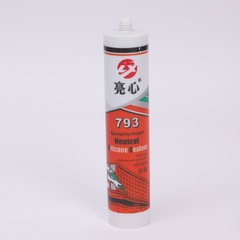
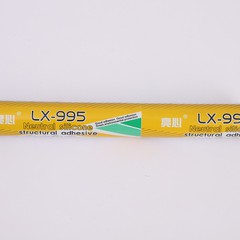
Glass sealant, as the name suggests, is named for its glass-like appearance after curing. It is mainly composed of sodium silicate, acetic acid, and organic silicone. These components form a tough elastomer through a chemical reaction, serving a sealing and adhesive function. Depending on the application, glass sealant is divided into several types, including acidic glass sealant, neutral glass sealant, and nail-free sealant.
- Acidic glass sealant: Cures quickly but is highly corrosive, suitable for bonding hard materials such as glass and metal.
- Neutral glass sealant: Cures more slowly but is less corrosive, suitable for sealing most materials, such as tiles and marble.
- Nail-free sealant: Has stronger adhesion, suitable for hanging heavy objects, such as hooks and mirrors.
Is Silicone Sealant Toxic?
To determine whether silicone sealant is toxic, it's essential to understand its composition and the chemical changes it undergoes during use and curing.
- Composition Analysis: The main components of silicone sealant are sodium silicate and acetic acid. Under normal use and curing, they typically do not release toxic gases. However, some low-quality or inferior silicone sealants may contain harmful substances such as formaldehyde and benzene, which are detrimental to human health.
- Curing Process: During the curing process, silicone sealant releases a certain odor, primarily due to the reaction of its chemical components. These odors may irritate the respiratory tract, but usually do not cause long-term harm.
Potential Hazards of Silicone Sealant to Humans
While silicone sealant generally does not pose a direct threat to human health under normal use, its potential hazards cannot be ignored in certain situations.
- Respiratory Irritation: The odor released during the curing process of silicone sealant may irritate the respiratory tract, causing symptoms such as coughing and throat discomfort. This irritation may be more severe for individuals with respiratory conditions such as asthma.
- Skin Contact: Prolonged contact with uncured silicone sealant may cause skin redness, itching, or even allergies. Therefore, it is recommended to wear gloves or other protective equipment when using silicone sealant.
- Release of Hazardous Substances: As mentioned earlier, inferior silicone sealant may contain harmful substances such as formaldehyde and benzene. These substances may be released for a long time in the indoor environment, posing a potential threat to human health, such as causing symptoms like headaches, nausea, and dizziness.
How to Use Silicone Sealant Safely?
To ensure the safe use of silicone sealant, we need to take a series of measures to reduce its potential hazards.
- Choose High-Quality Products: When purchasing silicone sealant, choose reputable brands and high-quality products. You can ensure that the purchased silicone sealant meets safety standards by checking the product instructions, understanding the product ingredients, and checking product certifications.
- Ventilation: When using silicone sealant, ensure good indoor ventilation. Open windows or use exhaust fans to reduce the concentration of harmful gases indoors.
- Wear Protective Equipment: When using silicone sealant, it is recommended to wear gloves, masks, and other protective equipment to reduce skin contact and inhalation of harmful gases.
- Avoid prolonged contact: Minimize prolonged contact with uncured silicone sealant. If prolonged use is necessary, it is recommended to take regular breaks and change protective equipment.
- Properly dispose of waste: After use, properly dispose of silicone sealant waste. Avoid littering or pouring it into sewers or other environments to prevent environmental pollution.