

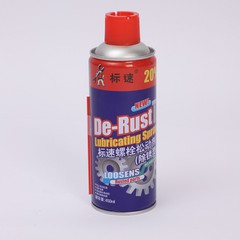
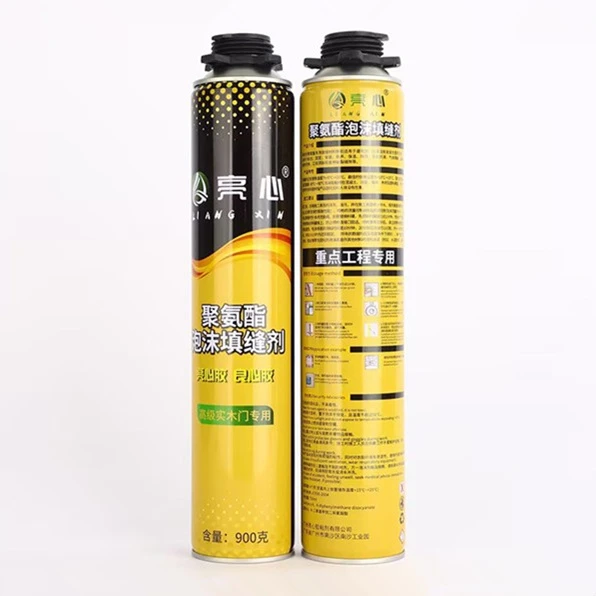
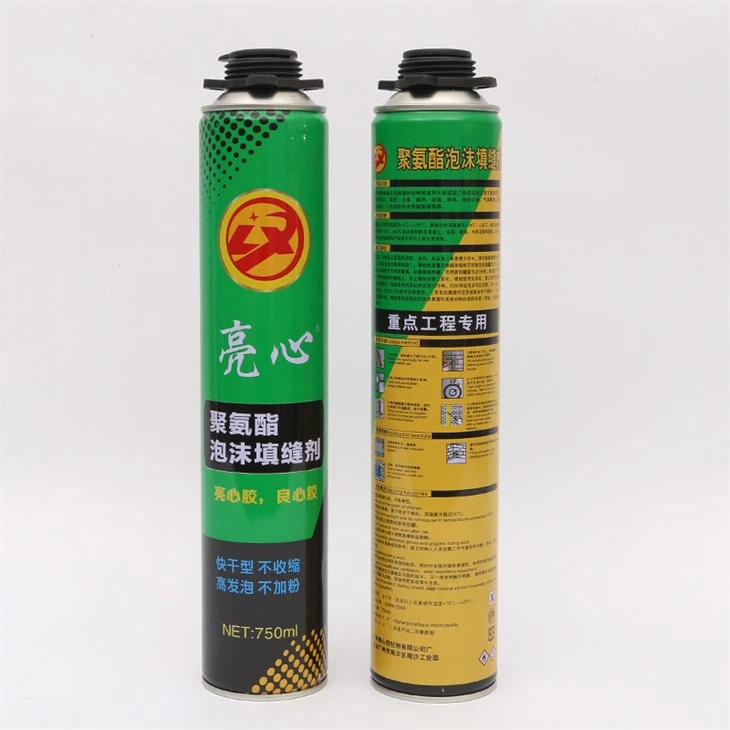
Polyurethane Foaming Glue
Polyurethane Foaming Glue Manufacturer for Insulation, Sandwich Panel & Construction Bonding
Polyurethane foaming adhesive is engineered for high-volume structural lamination where substrates exhibit surface tolerances, minor gaps, or variable porosity. By undergoing controlled micro-expansion during the curing phase, the adhesive achieves 100% surface wetting across irregular interfaces—eliminating dead spots without adding excessive dead weight to the bonded assembly.
We synthesize 1-component (1K) moisture-curing and 2-component (2K) solvent-free polyurethane foaming adhesives optimized for continuous sandwich panel lines, door core lamination, cold-room insulation, and timber construction. Our formulations deliver targeted expansion ratios, predictable green strength development, and long-term dynamic fatigue resistance.
For OEM producers, insulation converters, and private-label distributors, we provide complete technical support—including free substrate adhesion testing, lab-verified expansion profiling, TDS/SDS packages, and customized viscosity matching for automated dispensing systems.


1-Component (1K) Moisture-Curing Systems
Curing Mechanism: Reacts with ambient atmospheric moisture and moisture present within porous substrates (wood, mineral wool, concrete).
Ideal For: Manual assembly, offline pressing, timber door manufacturing, and static panel presses.
Process Control: In dry environments (<40% RH) or when bonding non-porous metal-to-metal skins, a fine water mist spray (5-10 g/m²) applied to the adhesive bead accelerates skinning and ensures uniform core density.
2-Component (2K) Chemical-Curing Systems
Curing Mechanism: Chemical polyaddition reaction between Isocyanate (Part A) and Polyol (Part B) upon mixing through a static mixer.
Ideal For: Continuous high-speed sandwich panel lines, automated multi-nozzle spray systems, and impermeable substrate bonding.
Process Control: Fully independent of ambient humidity. Delivers predictable gel times (from 45 seconds to 15 minutes) and ultra-fast handling strength for rapid press release cycles.
Industrial Performance Comparison
|
Technical Property |
1K Moisture-Cure Foaming |
2K Fast-Set Foaming |
Non-Foaming Structural PU |
|
Free Expansion Ratio |
1.5:1 to 3.0:1 |
1.2:1 to 2.2:1 |
1.0:1 (Zero Expansion) |
|
Cured Foam Density (g/cm³) |
0.15–0.35 |
0.25–0.55 |
1.10–1.40 (Solid) |
|
Open Time at 20°C |
5–45 min (Adjustable) |
1–15 min (Adjustable) |
10–90 min |
|
Pressing / Fixture Time |
15 min–3 hours |
3–30 min |
30 min–8 hours |
|
Lap Shear Strength (Metal/XPS) |
>1.2 MPa (Substrate Failure) |
>2.0 MPa (Substrate Failure) |
>6.0 MPa (Metal/Metal) |
|
Temperature Resistance Range |
−40°C to +100°C |
−40°C to +120°C |
−50°C to +140°C |
|
Application Method |
Bead, Roller, Fine Mist |
2K Meter-Mix / Spray Gun |
Bead, Trowel, Automated Gun |
Substrate Compatibility & Surface Preparation Protocols
Expanded Polystyrene (EPS) & Extruded Polystyrene (XPS)
Challenge: Surface dust from wire-cutting and hydrophobic skin layers.
Protocol: Ensure dust removal via air knife or vacuum. Apply PU foaming glue directly; solvent-free formulations prevent solvent-attack core melting.
Mineral Wool / Rock Wool Cores
Challenge: Highly porous, fibrous surface absorbs liquid adhesives, leading to starved bondlines. • Protocol: High-thixotropy 1K/2K foaming formulation expands on the surface fibers, forming a structural anchor layer without excessive resin absorption.
Pre-Coated Steel & Aluminum Panel Skins
Challenge: Rolling oils, mill scale, or passive hydrophobic paint coatings (PVDF, Polyester).
Protocol: Wipe with industrial solvent (IPA or MEK). For unprimed aluminum, light mechanical abrasion or inline corona/plasma treatment dramatically increases peel durability.
Plywood, OSB & Engineered Timber
Challenge: Variable wood moisture content (MC) affecting 1K cure kinetics.
Protocol: Optimal timber moisture content is 8% to 12%. If MC is below 6%, pre-moistening with a micro-water spray is mandatory for 1K systems to avoid brittle foam cure.
Application Profiles: Insulation & Sandwich Panel Manufacturing
Structural Sandwich Panel Production In continuous or discontinuous panel presses, our foaming PU glue bonds galvanized steel, aluminum, or FRP skins to PIR/PU foam or rock wool cores. The controlled expansion bridges gap tolerances across large 12-meter panel runs, preventing hollow spots and thermal bridges.
Architectural Door & Partition Wall Assembly Formulated for high green strength and rapid lamination of decorative skins (HPL, PVC, Aluminum) over honeycomb, tubular particleboard, or mineral wool cores.
Cold Storage & Cleanroom Panel Lamination Delivers airtight, moisture-resistant structural joints engineered to withstand severe thermal cycling (-40 deg C cold storage to +40 deg C ambient) without delamination or outgassing.
Architectural Timber & Construction Joint Bonding Engineered to comply with stringent water resistance standards (EN 204 D4 classification), providing weatherproof, heat-resistant bonds for exterior wooden beams, window frames, and structural insulated panels (SIPs).
Expansion Ratio Tuning: Adjusting blowing agent concentration from low-expansion (1.2x) for high-density structural joints to high-expansion (3.5x) for rough insulation substrates.
Rheology & Viscosity Customization: Liquid pourable grades (800 mPa.s) for continuous roller coaters up to non-sag thixotropic pastes (50,000 mPa.s) for vertical bead application.
Reactivity Customization: Tailoring open time, tack-free time, and press time to perfectly align with your line speed and ambient factory climate (tropic or cold weather modifications).
Private-Label Packaging Formats:
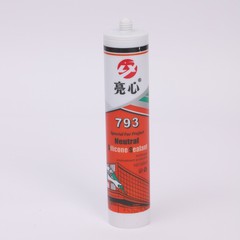
- 1K Packaging: 310ml cartridges, 600ml foil sausages, 1kg squeeze bottles, 25kg pails, 220kg steel drums, 1000kg IBC totes.
- 2K Packaging: Dual cartridges (200ml, 400ml), twin pail sets, and bulk drum sets for automated 2K meter-mix equipment.
Quality Control & Procurement Compliance
To support your internal engineering audit, factory acceptance testing, and regulatory requirements:
Raw Material Verification
GC-MS and FTIR testing of incoming polyols and prepolymers.
Batch Consistency
Spectrophotometer color monitoring, Brookfield viscosity testing, and closed-mold expansion density verification on every production lot.
Complete Regulatory Dossiers
Every delivery is shipped with a lot-specific Certificate of Analysis (COA), Technical Data Sheet (TDS), and GHS-compliant Safety Data Sheet (SDS).
Regulatory Alignment
Formulations comply with REACH, RoHS, and low VOC emission standards for indoor air quality compliance.
FAQ
To help our chemical engineering team specify the exact formulation, viscosity, and expansion profile for your facility, please provide:
Substrates to be Joined: (E.g., Galvanized Steel Skin to 100mm Rock Wool Core)
Application Line Setup: (Manual bead, continuous roller coater, 2K automated spray, or static press)
Target Timing Profile
(Required Open Time / Required Press Time)
Environmental Exposure
(Indoor, cold storage, outdoor weathering, high humidity)
Packaging Format & Estimated Volume
(20kg Pails, 220kg Drums, IBC Totes / Sample Quantity)
We are one of the most professional polyurethane foaming glue manufacturers in China, featured by quality products and good service. Please rest assured to wholesale high-grade polyurethane foaming glue in stock here and get pricelist from our factory. We also accept customized orders.
Polyurethane Sealant For Filling Gaps, polyurethane foaming glue, Polyurethane Foam Sealant A4 Type