

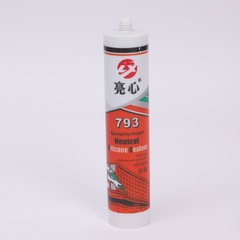
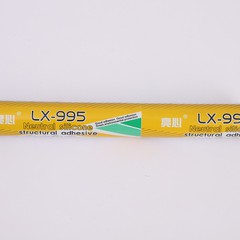
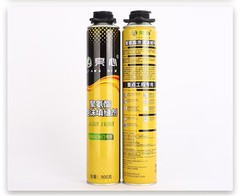
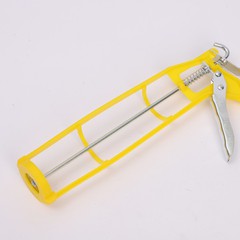
There are many types of sealants: silicone sealants, polyurethane sealants, polysulfide sealants, acrylic sealants, anaerobic sealants, epoxy sealants, butyl sealants, neoprene sealants, PVC sealants, and asphalt sealants.
When choosing sealants, consider the following properties: 1. Tensile strength (force at break/cross-sectional area); 2. Bond strength (force at break/bonded area, excluding substrate damage); 3. Elongation at break (length at break/original length); 4. Anti-aging ability; 5. Appearance (matte finish, particles, bubbles); 6. Shape retention (no stringing, no sagging on vertical surfaces); 7. Shelf life; 8. Curing time.
There is no inherent good or bad quality in glass sealant; performance corresponds to price, and the best choice is the one that suits your needs. Secondly, consider stability and whether the quantity is sufficient, which tests the manufacturer. If the sealant's volume is less than the stated volume (note: this is volume; this is a serious issue with sealants), eliminate the sealant immediately. Such companies have problematic business practices, and their products are unlikely to be of high quality. (This also indicates problems, proving that the product manufacturing process is not strictly controlled.) If the usage is large, the production stability of the sealant should be considered.