

How to Open and Use Silicone Sealant
Silicone sealant may seem like a small item, but when used correctly, it's a lifesaver for waterproofing and preventing mold in your home! Even those with no crafting skills can easily learn how to open and use silicone sealant to give your home a fresh new look.
Opening and Using Silicone Sealant is Simple
Even beginners can learn to apply silicone sealant through simple steps, adding an extra layer of waterproof and mold-proof protection to their homes and making their living environment more comfortable.
Preparation Before Use
Clean the area to be sealed, ensuring the surface is dry and dust-free. This is crucial for strong adhesion.
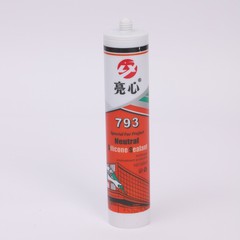
Choose the type of silicone sealant according to your needs. For example, neutral anti-mold sealant is suitable for kitchens and bathrooms, while cosmetic sealant is suitable for dry areas.
Steps to Open Silicone Sealant
For bottled sealant, use scissors or a utility knife to cut the tube opening. Heat the nozzle and flatten it before cutting a V-shaped opening for easy control of the sealant flow.
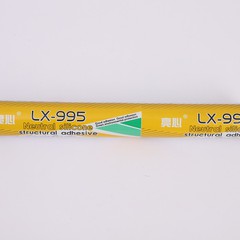
For tube sealant, simply cut the nozzle at a 45° angle to easily squeeze out the sealant.
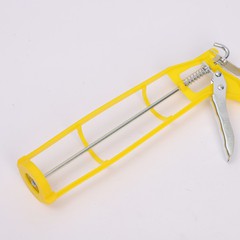
Load the silicone sealant into the caulking gun, ensuring it's firmly locked, and prepare to apply.
Applying Sealant: Methods and Techniques
1. First, apply masking tape to both sides of the gap to prevent glue overflow.
2. Hold the caulking gun at a 45° angle and apply the glue evenly along the gap, ensuring even coverage.
3. Gently spread the glue evenly with a scraper or your finger, scraping off any excess.
4. Remove the masking tape and wait for the glue to dry, usually around 24 hours.
Finishing and Precautions
After applying the glue, clean up any excess residue and keep the surface clean.
Avoid contact with water while the glue is fully cured to prevent affecting the finish.
Be careful when using the caulking gun; avoid contact with skin or eyes.
Glass Glue Selection Recommendations
Prefer products with high mildew resistance, from reputable brands, and with environmental certifications to ensure long-term mold prevention.
Choose the appropriate glass glue based on the area of application; for example, choose a mildew-resistant glue for kitchens and bathrooms, and a weather-resistant glue for sun-exposed areas.
Consider cost-effectiveness and choose a reasonably priced glass glue with guaranteed quality.