
Structural adhesives and glass sealants are two common adhesives, but they differ significantly in composition, strength, applications, performance, and handling requirements. Here are the main differences:
1. Different Compositions
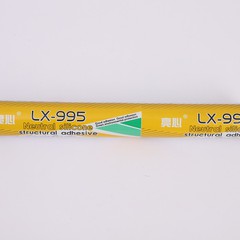
Structural Adhesives: Primarily composed of epoxy resin, polyurethane, or acrylic resin, which gives them high strength and durability.
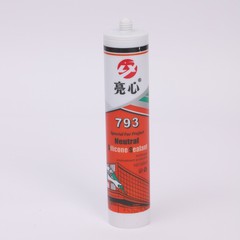
Glass Seal Glue: Primarily composed of silicone, offering good elasticity and sealing properties.
2. Different Strengths
Structural Adhesives: Possess extremely high mechanical strength and adhesion, with tensile strength reaching 4.5 MPa and shear strength reaching 3.2 MPa, capable of withstanding large loads.
Glass Seal Glue: Has relatively weaker adhesion, mainly used for sealing and waterproofing, with a tensile strength only about 40% of that of structural adhesives.
3. Different Applications
Structural Adhesives: Primarily used for connecting and fixing building structural components, such as glass curtain walls and steel structures, suitable for applications requiring high strength.
Glass Seal Glue: Primarily used for bonding and sealing glass to other substrates, suitable for caulking and waterproofing in home renovations.
4. Different Performance Characteristics
Structural Adhesive: Excellent resistance to aging, fatigue, and corrosion; remains stable even in extreme environments; service life up to 50 years.
Silicone Glue: Good elasticity and water resistance, but a relatively shorter service life, typically around 10 years.
5. Different Application Requirements
Structural Adhesive: Requires professional skills and experience to ensure bonding quality and safety.
Silicone Glue: Relatively simple to apply; generally, users can do it themselves.