
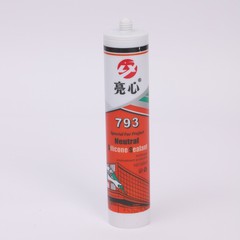
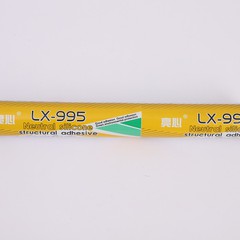
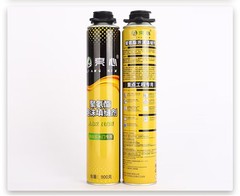
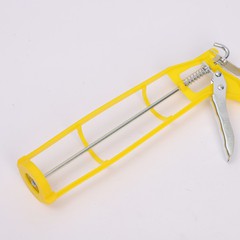
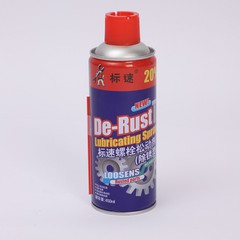
Glass sealant is a material used to bond and seal various types of glass to other substrates. It is mainly divided into two categories: silicone sealant and polyurethane (PU) sealant. Silicone sealant, commonly known as glass sealant, is further divided into acidic and neutral types. Neutral sealant includes: stone sealant, anti-mildew sealant, fire-retardant sealant, pipe sealant, etc.
Production Method:
107 room temperature vulcanizing silicone rubber, calcium carbonate, fumed silica, additives, etc., are mixed evenly and then vacuum-sealed to produce glass sealant.
The chemical equipment used will vary depending on the process requirements. Common glass sealant equipment includes:
1. JMSFYF stainless steel reactor series for silicone oil production;
2. JMSNHZ series glass sealant kneading machine series;
3. JMSXJB planetary mixer series;
4. JMSQLF series high-power disperser/mixer series;
5. JMSDLH series power mixer series, etc., etc.
Performance Introduction:
Glass sealant is classified into two types according to its properties: neutral glass sealant and acidic glass sealant. Silicone sealant is generally used for bonding in home decoration. Common applications of silicone sealant in home decoration include: the back of wooden trim, joints, sanitary ware, toilets, bathroom mirrors, and gaps between sinks and walls. Different types of sealant are needed for each of these applications. Neutral silicone sealant has relatively weak adhesion and is generally used in areas where strong adhesion is not required, such as the back of bathroom mirrors. Neutral silicone sealant is widely used in home decoration mainly because it does not corrode materials, while acidic silicone sealant is generally used on the back of wooden trim due to its strong adhesion.