
Are Structural Adhesives Waterproof? A Comprehensive and Practical Guide
The waterproof performance of structural adhesives depends on the specific type and application scenario; targeted selection is necessary for effective leak sealing.
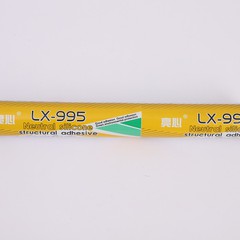
The core function of structural adhesives is high-strength bonding, while their waterproof performance varies depending on the formulation. Silicone structural adhesives (such as type 995) are the first choice for outdoor waterproofing, offering sun and frost resistance, suitable for roofs and exterior wall joints; polyurethane structural adhesives (such as E60HP) are specifically designed for humid environments, offering elasticity and mildew resistance, suitable for bathrooms and kitchens; industrial-grade structural adhesives (such as Loctite AA 352) can handle underwater equipment, but require strict mixing ratios. Note that ordinary structural adhesives only provide short-term splash protection and are prone to failure after prolonged immersion in water.
Scenario-based selection should follow three principles: Silicone adhesives are preferred for outdoor environments, remaining stable across temperature ranges from -40℃ to 150℃; polyurethane adhesives are recommended for humid areas, as they expand and contract with the tiles; industrial-grade products must be used in special environments (such as motors and water tanks). Real-world examples show that a user used Qiandinghe 9900 type silicone sealant for three years without any water seepage, but the substrate was damaged during removal due to excessive adhesion.
Three common misconceptions exist in the construction process: First, not all structural adhesives are waterproof; for example, type 998 requires the use of a sealant.
Second, incomplete cleaning of the substrate (such as oil residue) can lead to a false bond, causing a project to leak and require rework after three months. Third, excessively thick adhesive layers are prone to cracking; one bathroom required a complete waterproofing overhaul after six months due to an overly thick application of adhesive.
An advanced solution is to use combined waterproofing: after filling the joints with structural adhesive, apply a polyurethane coating, or first apply butyl tape and then apply the adhesive, creating double protection. This type of solution is common in high-requirement scenarios such as basements and swimming pools.
Structural adhesive waterproofing must follow a three-step method of "selection, construction, and combination." Matching product performance to the scenario, strictly adhering to the operating procedures, and supplementing with other waterproofing materials are essential to achieve a long-lasting seal and avoid drastic increases in later maintenance costs.